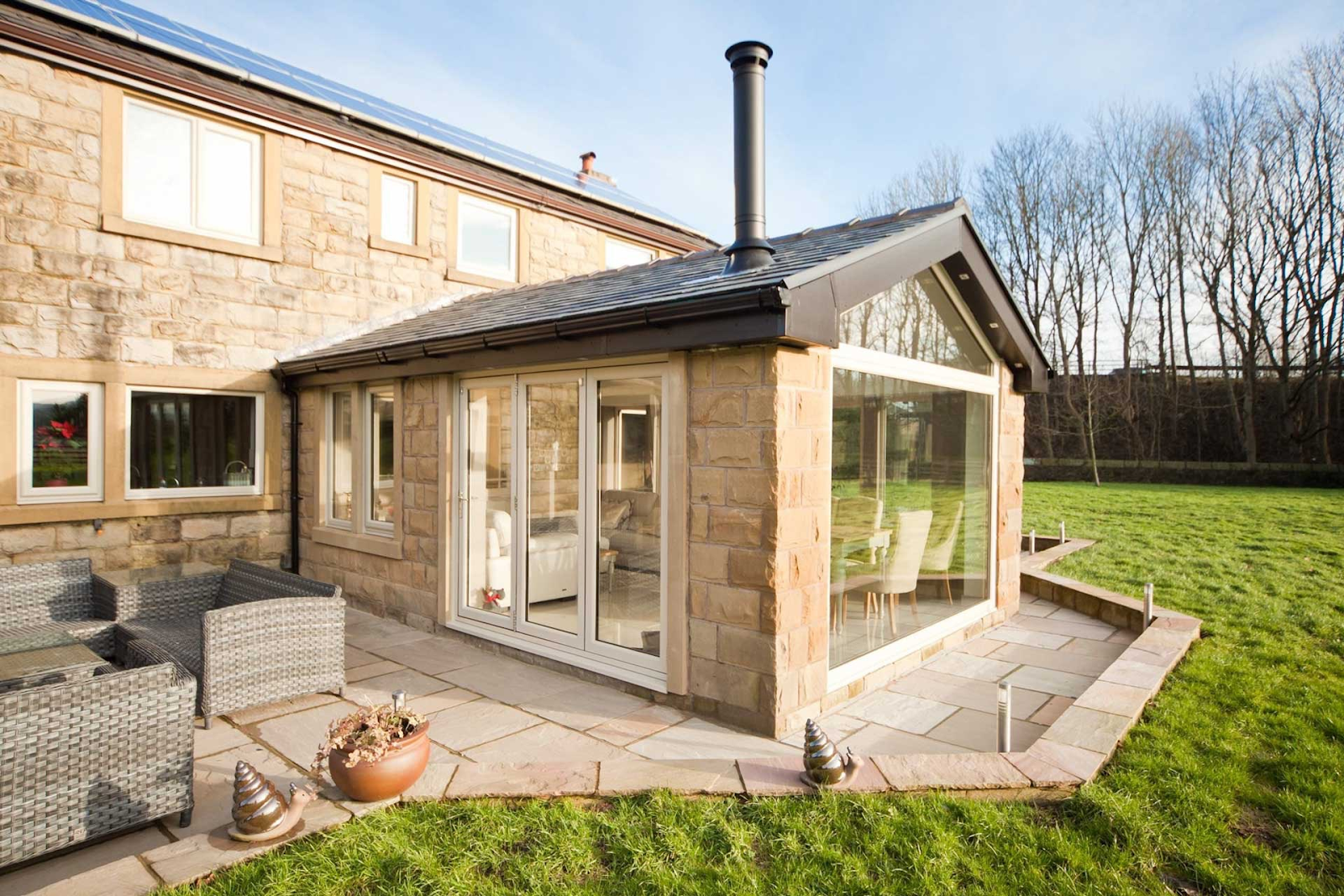
Renovating a small Toronto home is one of the smartest ways to improve comfort, functionality, and property value in a city where space is limited and housing costs remain high. Many Toronto houses, particularly older semis, bungalows, and Victorian row homes, were designed for a different era and often lack efficient storage, open layouts, and modern amenities. With thoughtful planning, compliance with local bylaws, and the use of space‑saving design strategies such as custom built‑ins, multifunctional furniture, and optimized layouts, homeowners can dramatically improve how their compact spaces function while maintaining the character of their property.
Understanding Toronto’s Renovation Landscape
Toronto homes present unique renovation challenges due to their age, narrow lots, and dense urban neighborhoods. Many houses built before the 1960s contain outdated wiring, inefficient insulation, and room layouts that feel compartmentalized. When renovating smaller interiors, these conditions often require structural adjustments, electrical upgrades, and careful design planning to create more open and efficient living spaces.
Another important factor is the growing demand for smarter space usage. Toronto homeowners increasingly prioritize renovations that maximize functionality, such as open‑concept layouts, integrated storage, and multipurpose rooms. Because square footage is limited in many neighborhoods, a well‑planned renovation can significantly increase both everyday livability and long‑term property value.
Key Pre‑Renovation Considerations for Small Toronto Homes
Before construction begins, homeowners should evaluate several important elements that can significantly influence cost, timeline, and feasibility:
- Structural integrity: Many Toronto homes require updated beams, reinforcement, or wall replacements before layout modifications can occur.
- Electrical capacity: Older service panels often need upgrades to support modern appliances, lighting systems, and HVAC equipment.
- Plumbing condition: Original cast-iron stacks or galvanized pipes may need full replacement when renovating bathrooms or kitchens.
- Asbestos or knob‑and‑tube wiring: Homes built before the 1970s may contain hazardous materials that require professional abatement.
- Existing insulation: Poor insulation affects energy efficiency and may need improvement, especially when remodeling exterior-facing rooms.
- Basement moisture: Many Toronto properties have damp basements that require waterproofing before finishing.
- Natural light availability: Space-saving renovations often include improvements to window size, placement, and interior reflectivity.
Toronto Renovation Permits and Bylaws Explained
Many renovation projects in Toronto require permits, particularly when structural changes, plumbing modifications, or electrical upgrades are involved. Removing load‑bearing walls, installing new windows, relocating bathrooms, or finishing basements typically requires approval from the City of Toronto and must comply with the Ontario Building Code. Permit applications usually include architectural drawings and, in some cases, structural engineering documentation.
Zoning regulations may also affect renovation plans, especially if the project involves exterior changes such as rear additions, dormers, or laneway suites. Toronto Zoning Bylaw 569‑2013 regulates building height, lot coverage, and setback distances. Working with experienced renovation professionals who understand these requirements can help ensure the project proceeds smoothly without delays or compliance issues.
Cost Breakdown: Renovating a Small Toronto Home
The cost of renovating in Toronto a compact property varies based on scope, materials, and structural conditions. Below is a breakdown of typical expenses:
- Full main‑floor renovation:
Average range: 85,000 to 150,000 CAD.
Includes flooring, walls, lighting, kitchen overhaul, and structural modifications.
- Kitchen remodel:
Typical cost: 35,000 to 70,000 CAD.
High in small homes due to custom cabinetry, wall removal, and plumbing relocations.
- Bathroom renovation:
Cost range: 20,000 to 35,000 CAD.
Premium finishes, heated floors, and waterproofing add to the total.
- Basement finishing:
Starting at 50,000 CAD, rising to 150,000 CAD for underpinning or full apartment conversions.
- Custom millwork and space‑saving cabinetry:
Ranges from 8,000 to 25,000 CAD.
This includes shelving walls, built‑in seating, and storage stairs.
- Electrical panel and wiring upgrades:
Average cost: 3,000 to 12,000 CAD depending on age and complexity.
- HVAC reconfiguration:
Typically 4,000 to 15,000 CAD for ductwork updates or system replacement.
- Permit drawings and engineering:
Expect 4,000 to 10,000 CAD depending on the level of structural involvement.
Smart Space‑Saving Ideas for Compact Toronto Interiors
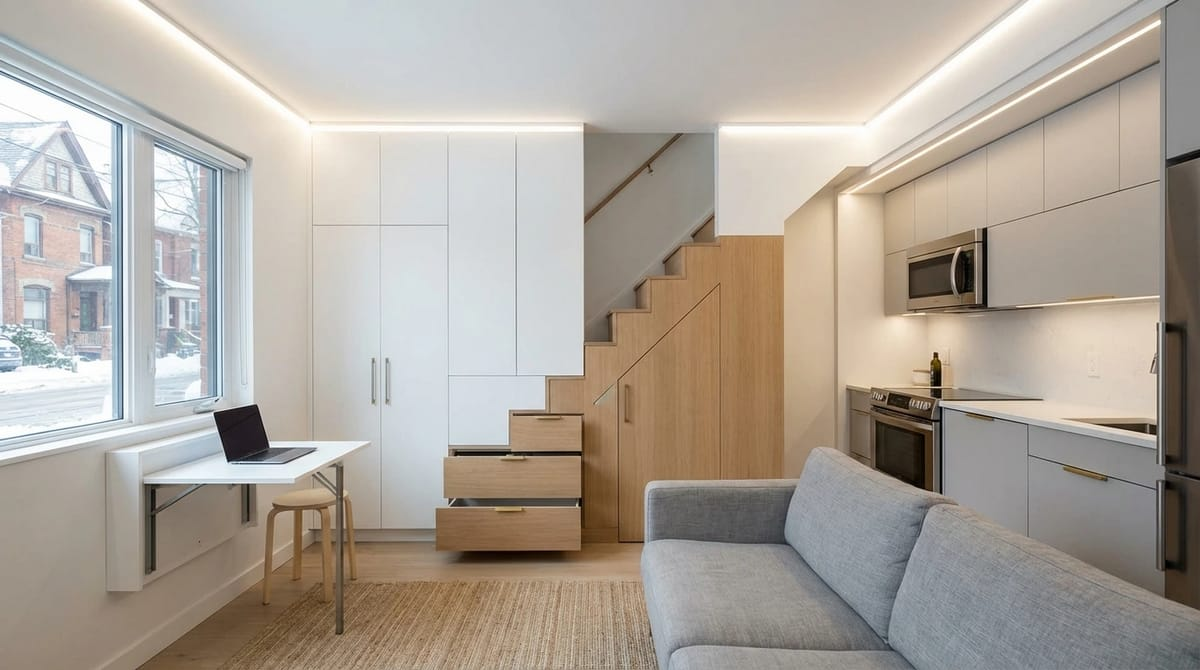
Renovating a small Toronto home requires creative design solutions that maximize storage and maintain a sense of openness. Built‑in cabinetry is one of the most effective approaches, allowing storage to be integrated seamlessly into walls, staircases, and unused corners. Floor‑to‑ceiling shelving, hidden storage benches, and custom closet systems can significantly increase usable storage without taking up valuable floor space.
Visual design strategies also help small interiors feel larger and brighter. Light colour palettes, continuous flooring between rooms, and recessed lighting can create a more open atmosphere. Incorporating multifunctional furniture, such as Murphy beds or fold‑down desks, allows a single room to serve several purposes while maintaining a clean and uncluttered appearance.
Space‑Saving Solutions for Kitchens and Bathrooms
Below is a detailed reference table that outlines practical, high‑impact ideas specifically suited for small Toronto kitchens and bathrooms.
| Space Type | Challenge | Smart Solution | Why It Works in Toronto Homes |
| Kitchen | Limited countertop area | Install fold‑down or pull‑out counters | Adds prep space without modifying the structural layout |
| Kitchen | Narrow walkways | Use shallow-depth cabinetry | Preserves flow while maximizing storage |
| Kitchen | Poor lighting | Integrate under‑cabinet LED strips | Brightens dark Victorians or older bungalows |
| Kitchen | Minimal pantry space | Add full-height pull‑out pantry towers | Stores more items vertically, ideal for narrow houses |
| Bathroom | Tight floor space | Choose wall‑hung vanities and toilets | Creates visual openness and easier cleaning |
| Bathroom | Insufficient storage | Add recessed medicine cabinets | Uses wall cavity efficiently without protrusion |
| Bathroom | Low natural light | Install high‑CRI LED mirrors | Enhances brightness in windowless bathrooms |
| Bathroom | Small showers | Use glass partitions instead of curtains | Reduces visual barriers and enlarges the feel of the room |
Maximizing Space with Layout Changes
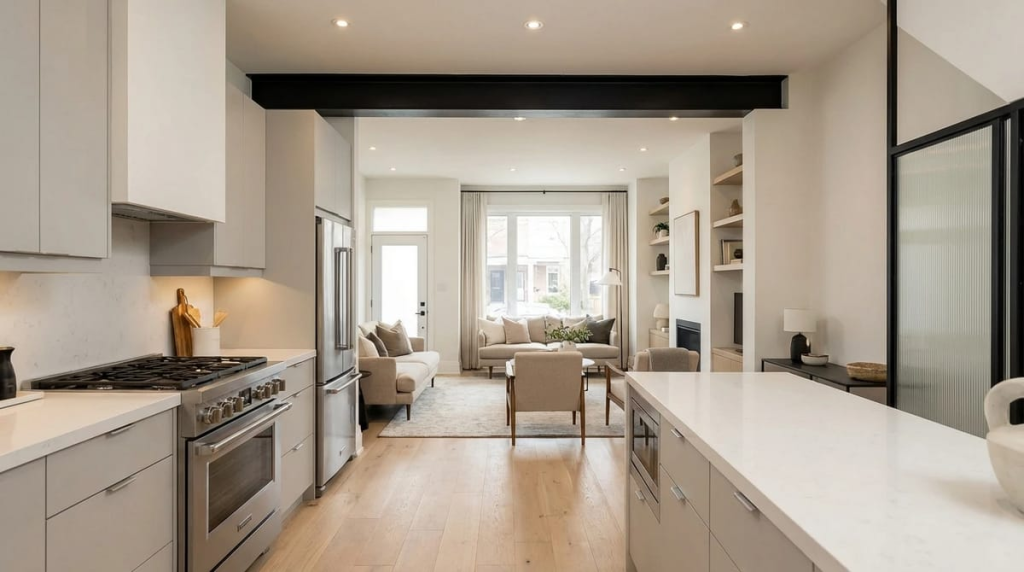
Adjusting the interior layout is often the most impactful step when renovating compact homes in Toronto. Many older properties were built with multiple small rooms separated by walls, which can make interiors feel cramped. Opening up these spaces by removing non‑structural partitions or installing structural beams can create a more spacious and modern flow between the kitchen, dining area, and living room.
Staircases and basements also offer opportunities for space optimization. Storage can be integrated beneath stairs, while basements can be converted into additional living areas, home offices, or rental suites. With proper waterproofing, insulation, and lighting, these lower levels can become valuable extensions of the home’s living space.
Essential Professional Advice for Toronto Renovations
- Work with a licensed contractor familiar with Toronto bylaws
Toronto’s renovation regulations can be intricate. Hiring a team that understands local requirements reduces delays and avoids costly violations.
- Obtain proper building permits before demolition
Even seemingly small interior changes may require permission. Conducting work without permits can lead to stop‑work orders or future resale problems.
- Plan space‑saving features early
Built‑ins, lighting channels, and custom storage should be included in the initial design so that electrical and framing considerations are handled appropriately.
- Address structural upgrades upfront
It is more efficient and cost‑effective to handle joist reinforcement, wall straightening, and insulation improvements before cosmetic work begins.
- Prioritize natural light
Larger windows, transoms, reflective materials, and open sightlines can transform the feel of a compact home.
- Choose durable finishes
Small homes experience more concentrated foot traffic and activity. Quality finishes extend the lifespan of the renovation.
- Create multifunctional zones
Consider furniture and layouts that allow spaces to serve multiple purposes, such as guest rooms that convert into offices or dining areas that double as workstations.
Site Preparation: Setting Your Renovation Up for Success
Preparing the property before construction begins helps protect the home and ensures the renovation proceeds efficiently. Homeowners should clear furniture and personal belongings from the work areas, especially in smaller homes where limited space can quickly become cluttered during construction. Contractors typically install floor protection, dust barriers, and ventilation systems to minimize the spread of debris.
In older Toronto homes, site preparation may also include inspections for asbestos, lead paint, or outdated electrical systems before demolition begins. Because houses are often close together, planning for material deliveries, waste bins, and parking access is also important to minimize disruption to neighbors and maintain a safe work environment.
Conclusion
Renovating a small Toronto home can dramatically improve both functionality and property value when approached with thoughtful design and professional planning. By understanding local permit requirements, optimizing layouts, and incorporating smart storage and space‑saving solutions, homeowners can transform compact interiors into efficient and modern living environments. With the right renovation strategy and experienced professionals, renovating a small Toronto home becomes a practical investment that enhances everyday comfort while preserving the unique character of Toronto housing.