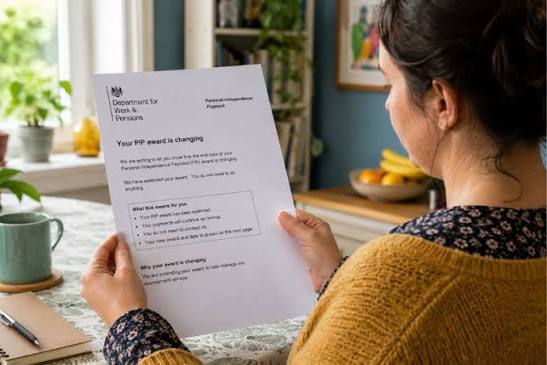
A renewal notice can look routine even when the next policy period contains significant changes. Premiums may rise, deductibles can change, endorsements may be added, and certain protections can be reduced or removed. Reviewing the renewal package before paying gives you time to understand what the new policy will actually provide.
Compare the Renewal With Your Current Policy
Start with the declarations pages from both periods. Compare insured property, drivers, vehicles, limits, deductibles, optional coverages, discounts, and premium amounts.
Someone handling unrelated legal planning may also browse estate legal reference directories, but insurance renewal questions should be checked against the insurer’s renewal documents and your state’s insurance requirements.
Look Beyond the Premium
A lower premium isn’t necessarily an improvement if the deductible increased significantly or optional protection disappeared. Likewise, a price increase may reflect changes in insured values, coverage, rating factors, or broader pricing.
Ask what changed rather than judging the renewal solely by the amount due.
Read Every New Endorsement
Renewal packages may contain endorsements that change existing policy language. A short attachment can sometimes matter more than several pages that remain unchanged.
Separate family-law research through resources such as custody legal information listings may be useful for other matters, but it doesn’t explain an insurance renewal. The policy documents themselves remain the key reference.
The NAIC advises consumers who receive endorsements to compare them with their original policies and ask their insurer or representative about changes they don’t understand.
| Renewal Item | Compare With | Possible Effect |
|---|---|---|
| Premium | Prior term | Higher payment |
| Deductible | Current deductible | More out-of-pocket cost |
| Limits | Existing limits | More or less protection |
| Endorsements | Previous forms | Changed coverage |
Distinguish Renewal From Nonrenewal
A renewal offer means the insurer is offering another policy period, although the terms may differ. Nonrenewal generally means the insurer doesn’t intend to continue the policy after expiration.
For more specialized research, consumers sometimes consult insurance law information indexes. State-specific requirements matter because notice procedures and permitted reasons for nonrenewal can vary.
The NAIC explains that state insurance departments can help consumers understand policy terms, cancellations, nonrenewals, and policyholder rights.
Pay Attention to Effective Dates
Mark the expiration date of the current policy and the effective date of the renewal. Don’t assume a grace period exists unless the policy or applicable rules provide one.
If you’re considering another insurer, arrange replacement coverage carefully so the old and new dates don’t create an unintended gap.
Renewal Mistakes That Can Become Expensive
One mistake is automatically paying without reading the revised documents. Payment may leave you with coverage that differs from what you expected.
Another is ignoring a renewal notice because you plan to switch insurers but haven’t secured replacement coverage. Shopping for another policy doesn’t itself keep the existing insurance active. Dates and confirmed coverage matter more than intentions.
When Should a Renewal Problem Be Escalated?
Ask for assistance when you receive unclear or conflicting notices, believe required information is missing, can’t obtain an explanation for material policy changes, or face a cancellation or nonrenewal you think violates applicable rules.
State insurance departments oversee insurers and handle consumer complaints. Because notice requirements differ by jurisdiction and policy type, the relevant state regulator is the better source for questions about a specific deadline or required notice.
Frequently Asked Questions
Does paying a renewal premium mean the coverage stays exactly the same?
Not necessarily. Renewal terms can include revised premiums, deductibles, limits, endorsements, or other changes. Review the new policy documents rather than assuming the previous terms automatically continue.
How early should I review an insurance renewal notice?
Review it as soon as you receive it. Early review gives you more time to ask questions, compare alternatives, and arrange replacement coverage before the existing policy expires.
Is nonrenewal the same as cancellation?
No. Nonrenewal generally concerns coverage ending at the expiration of a policy period, while cancellation ends coverage before its scheduled expiration. State rules governing each can differ.
Verify the New Terms Before Paying
Treat a renewal as a new set of policy terms, not simply another bill. Compare the documents, identify changes, confirm effective dates, and ask about anything you don’t understand before the new period begins. If notice requirements or policy changes remain disputed, contact the appropriate state insurance department or seek qualified advice.
This article provides general insurance information and is not a substitute for legal, financial, or professional advice about a specific policy.