Messy kitchen storage isn’t always caused by having too many things. Often, frequently used items are stored too far from where they’re needed, while prime cabinets and drawers are occupied by equipment that rarely leaves the shelf.
A more functional kitchen groups tools and ingredients around activities. Cooking, food preparation, cleaning, serving, and coffee making can each have their own practical storage zone.
Start With the Tasks You Repeat Most
Think through a normal day in the kitchen. Where do you make breakfast, prepare vegetables, cook dinner, wash dishes, and pack leftovers?
The items connected with those jobs should generally live nearby. A drawer next to the cooktop is more useful for spatulas and serving spoons than for holiday cookie cutters.
People browsing everyday organization topics may see elaborate storage systems, but changing where existing items live can make a bigger difference than buying new containers.
Create Small Activity Zones
A coffee zone might contain mugs, filters, coffee, and teaspoons. A baking area could keep measuring tools, mixing bowls, flour, and commonly used pans close together.
Zones don’t need labels or special furniture. They simply reduce unnecessary movement.
Give Prime Storage to Everyday Items
Eye-level shelves, easy drawers, and front cabinet spaces should hold the things you reach for regularly. Rarely used serving dishes, specialty appliances, and seasonal equipment can move to higher or less convenient locations.
Storage ideas found in general home discussions can be useful inspiration, but copying another kitchen exactly may create new problems. Your storage layout should follow your own cooking habits.
| Kitchen Area | Useful Items Nearby | Move Elsewhere |
|---|---|---|
| Cooktop | Utensils, pans, oils | Rare baking tools |
| Prep counter | Knives, boards, bowls | Serving platters |
| Sink | Cleaning supplies | Cooking gadgets |
| Coffee area | Mugs, coffee, spoons | Dinner cookware |
Reduce Duplicate and Forgotten Items
Before buying organizers, empty one crowded drawer or cabinet completely. Duplicates become much easier to notice when everything is visible at once.
You may discover six similar utensils, expired pantry goods, lids without containers, or appliances that haven’t been used for years. Removing genuinely unnecessary items creates permanent space; organizers only divide the space that’s already there.
Simple household improvement ideas can help with routines, but the strongest storage system starts with deciding what deserves kitchen space.
Keep Frequently Used Supplies Easy to Return
Storage fails when putting something away requires too many steps. If a pan must be moved before another pan can be returned, both may eventually stay on the counter.
Aim for storage that makes cleanup almost automatic. Drawer dividers can help small tools, vertical dividers can separate trays, and clear pantry groupings can make ingredients easier to find.
Leave Some Space Unfilled
Every shelf doesn’t need to be packed. A small amount of open space makes items easier to see, remove, and return.
It also gives the kitchen room to absorb temporary additions such as groceries, leftovers, or new cookware.
Storage Mistakes That Create More Clutter
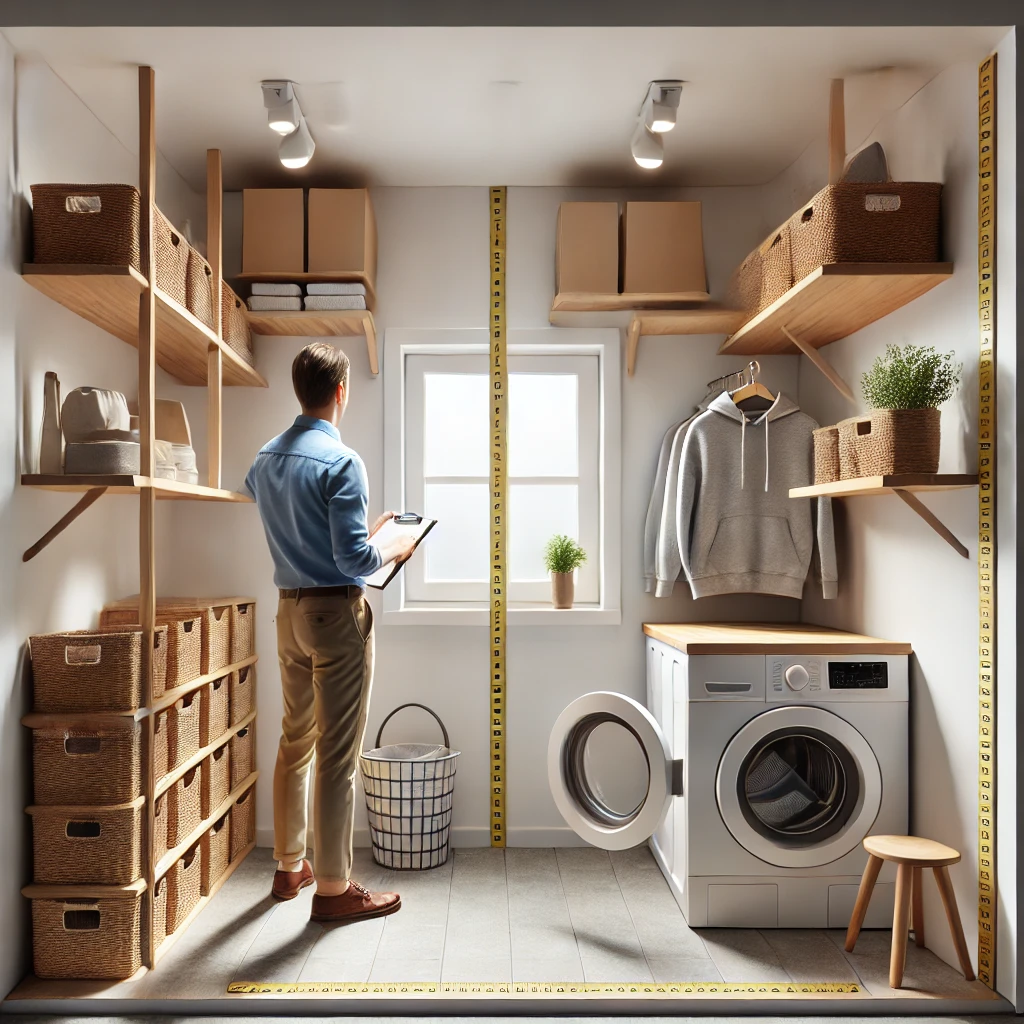
Buying baskets before measuring cabinets is a common mistake. Containers can waste space when their shape doesn’t suit the shelf or when several tiny bins replace one flexible area.
Over-categorizing causes trouble too. If every snack, spice, tool, and container needs a highly specific location, the system becomes difficult to maintain.
Another problem is hiding frequently used items because an empty counter looks cleaner. Good organization should reduce effort, not make ordinary cooking inconvenient.
Frequently Asked Questions
Where should pots and pans be stored?
Ideally, keep frequently used cookware close to the stove or main cooking area. Heavier pieces are usually easier to handle from lower cabinets or deep drawers than high shelves.
How can I organize a small kitchen without adding cabinets?
Remove unnecessary duplicates, use vertical space carefully, move rarely used equipment elsewhere, and reserve the most accessible storage for daily essentials.
Are kitchen organizers worth buying?
They can help when they solve a specific problem. Measure the space and identify what needs organizing first rather than buying containers and trying to find a purpose for them afterward.
Make the Kitchen Follow Your Routine
The most useful storage system reflects how you actually cook. Put everyday tools near their point of use, move occasional equipment out of prime spaces, remove unnecessary duplicates, and make items easy to put back. You don’t need a perfectly styled cabinet. You need a kitchen where the next thing you need is usually within easy reach.