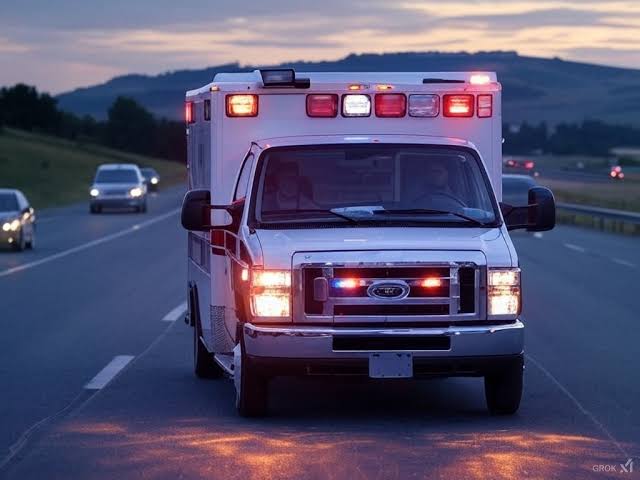
When an emergency vehicle approaches with lights or sirens active, drivers need to stay calm, identify where it is coming from, and make room without creating another hazard. Sudden turns, hard braking, or stopping in an unsafe position can complicate the situation for everyone.
Local rules differ, so drivers should know the requirements that apply where they travel.
Identify the Emergency Vehicle First
Sirens can reflect off buildings, barriers, and other vehicles, making direction difficult to judge. Before making a sudden movement, check mirrors and scan intersections so you understand whether the emergency vehicle is behind you, approaching from the side, or entering from another road.
Keep music and other cabin noise at a level that allows important warning sounds to be noticed.
Make Your Movement Predictable
Once you understand the situation, signal before changing position and avoid crossing multiple lanes abruptly. Other drivers are also trying to respond, so predictable movement reduces confusion.
Resources covering vehicle and fleet operations often deal with systematic driving behavior, and that approach is useful here. A calm sequence—observe, signal, move, then stop where appropriate—is safer than reacting without checking surrounding traffic.
Do Not Block Intersections
Stopping in the middle of an intersection can leave little room for an ambulance, fire vehicle, or police vehicle to maneuver. If you are already entering an intersection when the emergency vehicle becomes apparent, focus on clearing the conflict area safely rather than stopping abruptly within it.
Rules vary by jurisdiction, so follow local traffic law and official instructions.
Consider the Road Around You
Curves, narrow shoulders, construction zones, parked vehicles, cyclists, and pedestrians can affect where you can safely create room. Moving aside should not mean driving into a ditch, striking a curb, or pushing another road user into danger.
Drivers who think about roadside conditions and routes are better prepared to recognize these limitations. Sometimes the safest response is a controlled slowdown until a suitable place to yield becomes available.
| Situation | Main Challenge | Safer Approach |
|---|---|---|
| Emergency vehicle behind | Limited passing room | Signal and yield safely |
| Busy intersection | Multiple traffic paths | Avoid blocking junction |
| Narrow road | Little shoulder space | Slow and find safe opening |
| Heavy traffic | Confused drivers | Stay predictable |
Maintain Enough Control to Move Smoothly
Sudden evasive movements are harder when a vehicle has poor visibility, worn components, or uncertain grip. Routine maintenance helps drivers respond without adding unnecessary instability.
Basic tire upkeep information can support that preparation. Tires are only one part of roadworthiness, but predictable steering and braking become especially useful when traffic around you is changing quickly.
Common Errors Around Emergency Vehicles
One mistake is following closely behind an emergency vehicle after it passes. The open space behind it is not an invitation to move through traffic faster.
Another error is reacting to the siren before locating the vehicle. A driver who suddenly swerves left or right may move directly into the emergency vehicle’s intended path.
Drivers should also avoid competing with one another for space. The objective is to create a clear route, not to be the first person to move.
Frequently Asked Questions
Should I stop immediately when I hear a siren?
Not before checking your surroundings. First locate the emergency vehicle and determine how you can yield without causing another hazard. Follow the traffic rules that apply in your jurisdiction.
Can I enter an intersection to get out of the way?
That depends on your position, traffic signals, local law, and whether the movement is safe. Avoid creating a second conflict while attempting to help an emergency vehicle pass.
Can I follow an ambulance through cleared traffic?
Drivers should not use an emergency vehicle as a way to move through congestion. Maintain normal spacing and obey applicable traffic rules after the vehicle passes.
Create Space Without Creating Chaos
Emergency vehicles need cooperation from surrounding traffic, but useful cooperation is calm and predictable. Check where the vehicle is coming from, signal your movement, avoid blocking intersections, and yield in a controlled way.
Knowing local rules before the situation occurs makes that decision much easier when lights and sirens suddenly appear.