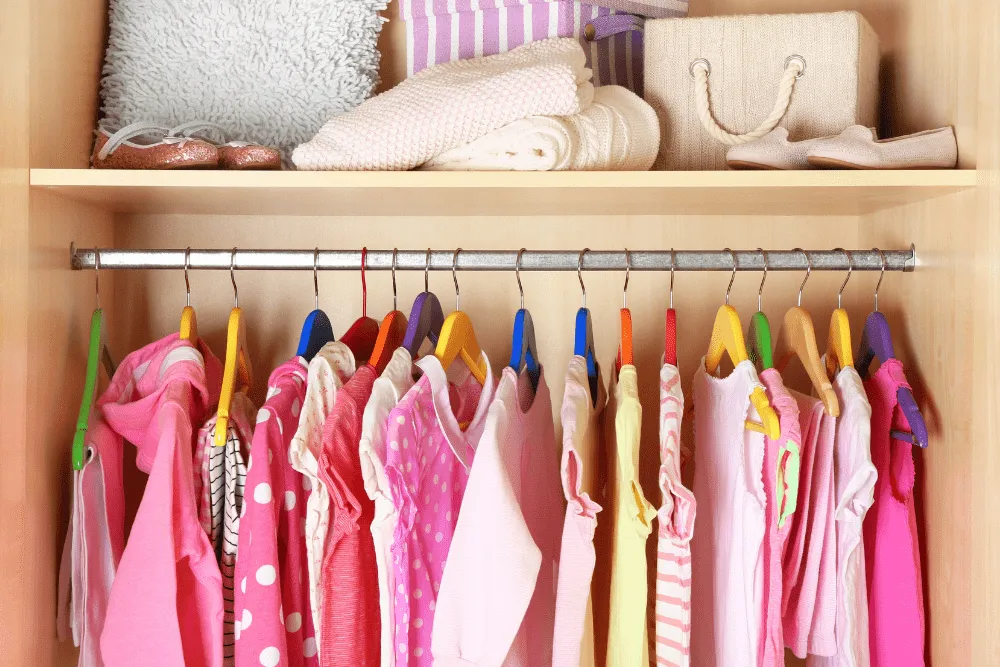
A crowded kids closet can turn a simple school morning into ten minutes of searching, rejecting, and refolding. The problem often isn’t a lack of storage. It’s that too many outgrown, seasonal, rarely worn, and poorly grouped items are competing with the clothes children actually need.
Start With What Fits Right Now
Take everything out and sort it by usefulness rather than sentiment. Clothes that fit, suit the current season, and get worn regularly should earn the easiest-to-reach spaces.
Outgrown pieces can move immediately into donation, resale, hand-me-down, or keepsake groups. Browsing home organization ideas may inspire different systems, but removing unusable clothing usually creates more space than buying another organizer.
Let Children Help With Simple Choices
Children don’t need control over every decision, but involving them can reveal which shirts are uncomfortable, which pants they never choose, and which favorite pieces need easy access.
Keep the process simple. Asking “Does this fit?” and “Do you wear this?” works better than turning every item into a long debate.
Build the Closet Around Morning Tasks
Place school clothes where they’re easiest to see and reach. Special-occasion outfits, spare bedding, and off-season clothing don’t need prime closet space.
Some families use one drawer or basket for each clothing type. Others prepare complete outfits in advance. Ideas from family routine content can broaden your options, but the final system should match your child’s age and ability to manage it.
| Closet Zone | What Belongs There | Why It Helps |
|---|---|---|
| Easy reach | Daily clothes | Faster choices |
| Upper shelf | Seasonal extras | Less visual clutter |
| Bin or basket | Small accessories | Prevents loose piles |
| Exit container | Outgrown items | Simplifies decluttering |
Labels can help younger children remember where things belong. Picture labels may work especially well before they’re comfortable reading.
Reduce the Number of Decisions
A closet packed with options can make choosing an outfit slower rather than easier. Keeping a practical rotation of frequently worn pieces makes it easier to see what is clean, what is missing, and what no longer fits.
If you enjoy practical household reads as part of your general browsing, use new ideas selectively. A closet system that needs constant adult maintenance will usually fail once the first burst of enthusiasm wears off.
Consider pairing easy basics that work together. Fewer incompatible pieces mean children can make choices without producing several rejected outfits on the floor.
Create a Landing Place for Clothes That Stop Fitting
Children can outgrow clothes quickly, and those items often remain in the closet because nobody has time to reorganize immediately.
Keep one clearly marked container for pieces that become too small. Once it’s full, sort the contents into donation, resale, hand-me-down, recycling, or keepsake groups.
This prevents outgrown clothing from slowly returning to hangers and drawers where it adds confusion.
Where Closet Organization Often Goes Wrong
Buying bins before decluttering is a common mistake. Containers can hide excess clothing without solving the underlying problem.
Another trap is designing a system that looks impressive but requires shirts to be folded perfectly or accessories to be returned to tiny compartments. For a child’s closet, easy reset usually matters more than visual perfection. Storage should be simple enough that the child can participate in putting clothes away.
Frequently Asked Questions
How many clothes should a child keep?
There is no universal number. Climate, school requirements, laundry frequency, sports, and family routines all affect what’s practical. Keep enough for normal needs without allowing rarely worn pieces to crowd daily clothing.
Should kids clothes be folded or hung?
Use whichever method makes items easiest to see and put away. Hanging can work well for uniforms and dresses, while drawers or bins may be easier for T-shirts, pajamas, and play clothes.
How often should a kids closet be decluttered?
A quick seasonal review is useful, with smaller checks whenever clothes start fitting poorly. Keeping an outgrown-items bin reduces the need for major cleanouts.
Make Tomorrow Morning Easier
The most useful kids closet isn’t the one with the most storage products. It’s the one where everyday clothes are visible, appropriately sized, and simple to return after laundry. Remove what no longer belongs, give daily items predictable places, and keep the system easy enough for children to use themselves.