
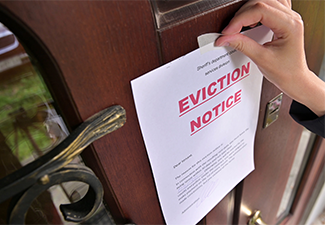
The fastest response to a property issue is not always the safest; the record needs to be clear first. This article addresses a situation where a landlord is considering removing a tenant for nonpayment, lease violations, expiration, property damage, or another reason. Gather the lease, payment ledger, notices, proof of service, photographs, complaints, inspection records, correspondence, and any court forms already filed or received before asking a provider to evaluate it. Readers doing wider property homework can also include rental property reading in their general research while keeping the legal, title, or survey question separate.
Legal Resources for Eviction Procedure Questions
A useful provider should explain what it can verify, what remains outside its role, and what document controls the next step. Self-help measures such as lock changes, utility shutoffs, or removing belongings can create serious liability in many jurisdictions even when the landlord believes the tenancy should end. Confirm that the specific service is available in the state where the property sits, because real-estate procedure and document requirements can vary.
1. FindLaw
FindLaw provides real-estate legal information plus a nationwide attorney directory searchable by legal issue and location. That makes it useful for locating a real-estate attorney when the issue is fact-specific or time-sensitive. Vet any lawyer independently for relevant experience, fees, and availability.
2. Nolo
Nolo publishes practical legal information on real estate, landlord-tenant rules, property rights, and many state-specific topics. It is useful for learning terminology and identifying questions before speaking with a professional. General articles cannot evaluate evidence, meet a deadline, or represent a party in a dispute.
3. LegalShield
LegalShield connects members with provider law firms and offers real-estate advice and document review under its legal plans. It can be useful when the issue needs a lawyer’s reading of the actual documents rather than a generic form. Check plan limits, exclusions, and whether the matter needs separate local litigation counsel.
4. Rocket Lawyer
Rocket Lawyer combines online real-estate documents with attorney-support options for contracts, leases, notices, deeds, and related paperwork. It is useful for understanding or preparing paperwork before a dispute grows. A contested court, title, or possession matter may still require a lawyer who practices in the property’s state.
5. LegalZoom
LegalZoom offers real-estate document services, including residential leases and property-deed products, with attorney guidance available for some needs. It may fit document preparation or an early review of common property paperwork. More complex ownership, enforcement, or litigation questions may need specialized local counsel.
How to Keep an Eviction Process Procedurally Sound
Look for state-specific eviction guidance and, where needed, a landlord-tenant attorney who can review the legal basis, notice language, service method, court filing, hearing procedure, and any local rules that affect timing. Compare the professional’s explanation with the source documents instead of relying on a phone summary. Broader rental housing guidance can support the larger housing decision, but it cannot replace a title search, survey, contract review, or legal opinion when one is required.
If several professionals are involved, make sure they are working from the same deed, contract, survey, title commitment, or notice.
Separate confirmed facts from assumptions before the consultation, especially when another party’s intent or authority is disputed. That preparation makes it easier to compare advice from different professionals and reduces the chance that an important fact is omitted. It also helps you spot when two records conflict and need a formal correction instead of an informal explanation.
Frequently Asked Questions
Can a landlord remove a tenant without going to court?
In many situations, a landlord must follow a formal notice and court process rather than using self-help. Rules vary by state and locality, so landlords should verify the required procedure before changing locks or removing property.
What makes an eviction notice defective?
Problems can involve the wrong notice period, incorrect rent amount, missing statutory language, improper service, or filing before the notice period ends. A defect may delay or undermine the case.
Does lease expiration automatically allow immediate removal?
Not always. Holdover rules, renewal clauses, notice requirements, local protections, and court procedures may still apply after a fixed term ends. The landlord should confirm the proper next step before acting.
Procedure Matters as Much as the Reason for Eviction
Clear records give professionals something concrete to work with and reduce guesswork. Keep the file complete and ask the provider to explain the next step in plain language. If the issue also affects repairs or exterior work, property maintenance guidance can remain separate planning material. When ownership, money, possession, or court rights are disputed, a qualified local attorney should review the matter before an irreversible step.


